
The Naturo Strategic Framework helps cities and residents collaborate to plan and manage Nature-based Solutions (NBS) in a more inclusive and effective way. It encourages long-term collaboration across city departments, residents, businesses, and civil society. This approach is called mosaic governance, where responsibilities are shared through government-led, citizen-led, and co-created initiatives.
The Framework focuses on making sure that:

Policies translate into action.

Municipal departments and communities work together.

Collaboration is sustained over time through trust, learning, and adaptation.
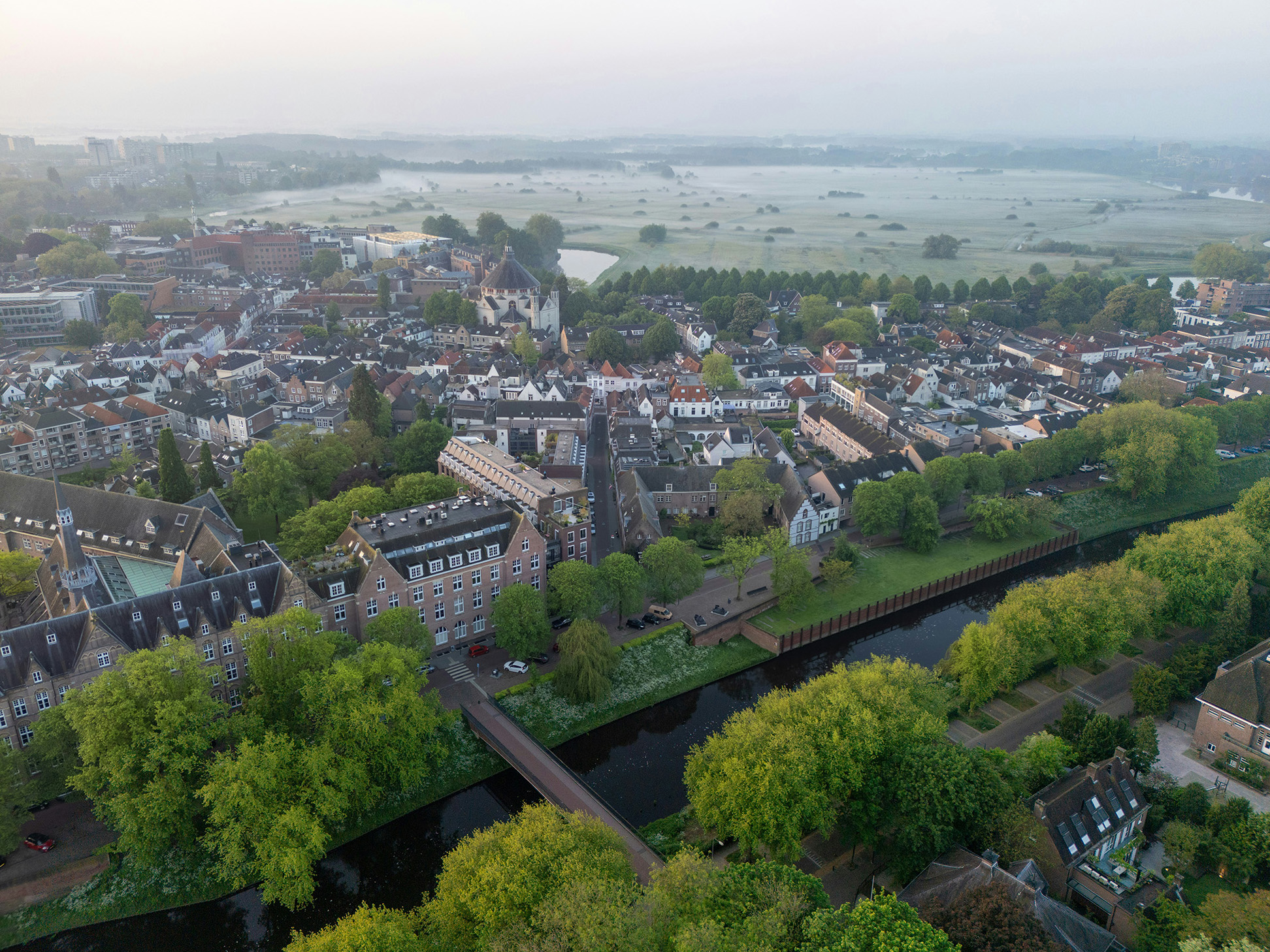
To break down silos and embed participation across municipal departments and staff, a key step in a mosaic governance approach is to develop a municipality-wide strategy for long-term engagement with residents, businesses, and community organizations. ’s Hertogenbosch illustrates one way to do this, combining a participation vision, implementation programme, and ordinance into a coordinated approach to embed participation across municipal governance.
The Naturo Framework also emphasizes strategic alignment, ensuring that policies, plans, and on-the-ground actions are coordinated across departments, coherent with local needs, and implemented as intended over time. By combining mosaic governance with strategic alignment, Naturo helps cities design NbS projects that are both inclusive and sustainable in the long-term.
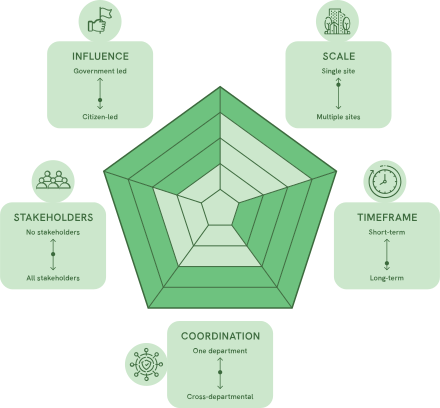
A practical tool within the Framework, the Pentagon of Participation, supports policymakers in reflecting on five key aspects of participatory processes in NBS:
The pentagon tool is designed to be used together with a checklist that provides practical reflection questions across its five dimensions. Examples include:
Does the project connect to other NBS efforts across the city: are we building on past efforts or working in isolation?
Are we involving local groups or residents in caring for or maintaining the space after it's finished?
Are we documenting and evaluating participation efforts—what works, what doesn’t—and sharing this knowledge with other departments?
Have we identified who are the scale-crossing brokers (e.g. trusted community leaders, NGOs, schools) that can help connect us with harder-to-reach groups?
Have we communicated clearly which decisions the public can influence, and where the limits of participation lie?
The complete Strategic Framework will soon be available on this page.
