
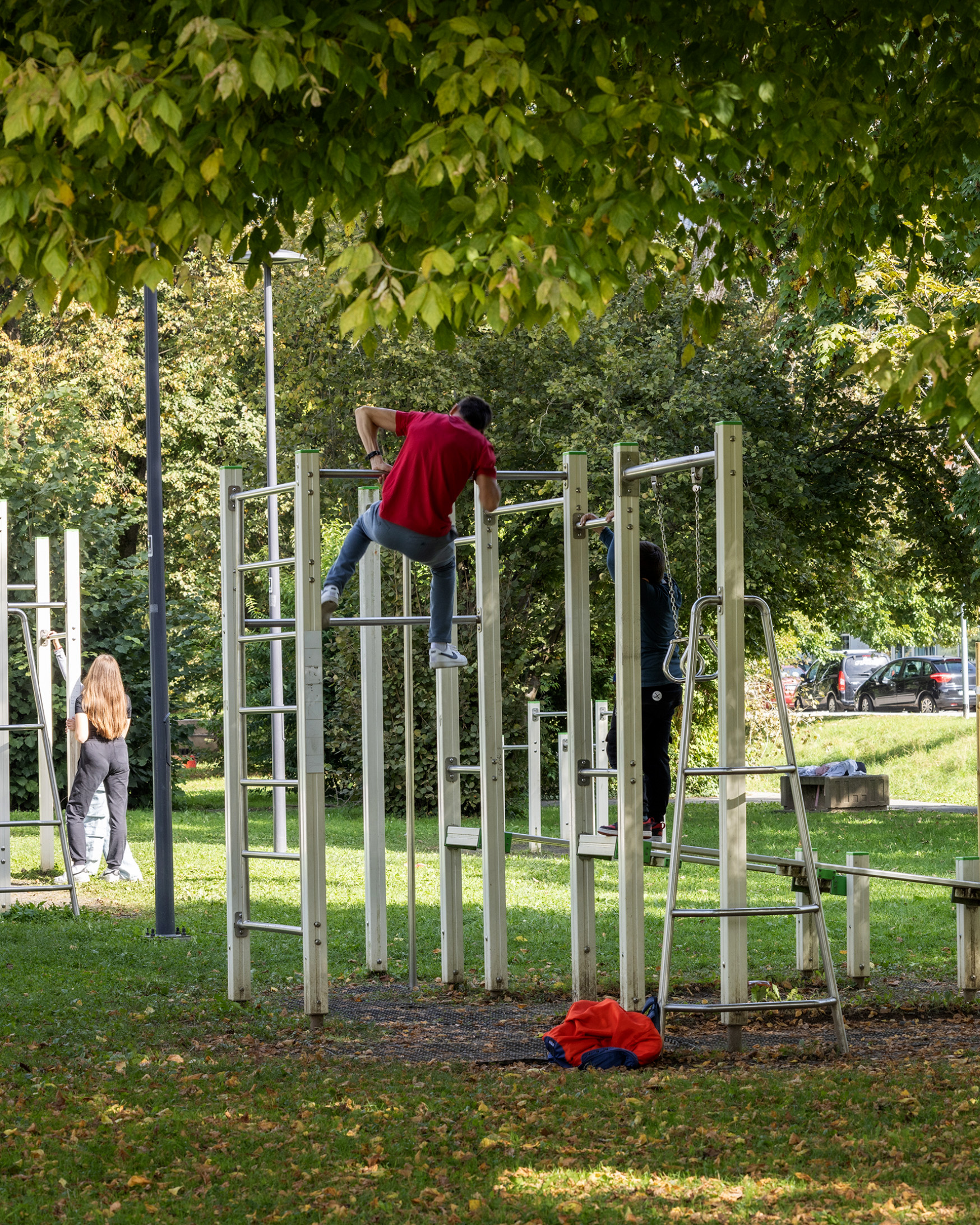
Cities across Europe are increasingly using Nature-based Solutions (NbS), such as parks, green spaces, community gardens, and natural landscapes, to address environmental, social, and health challenges. While these solutions can improve quality of life, their benefits are not always equally accessible to all citizens, particularly marginalized and underrepresented groups.The NATURO project explored how NbS can contribute to greater social inclusion and well-being in urban areas. Working in three European cities, the project focused on how local authorities, community organizations, and residents can collaborate to design, implement, and manage urban green spaces in ways that are inclusive, sustainable, and responsive to local needs. The overall objective was to generate knowledge, tools, and governance approaches that help cities create and maintain urban green spaces that support social participation, environmental sustainability, and long-term community well-being.
Project Performance and Main Achievements
Naturo investigated how NbS can be co-created and governed through participation, collaboration, and local experimentation. The project combined practical activities in urban settings with research on governance, participation, and long-term management of green spaces. A central achievement was the development of the NATURO Strategic Framework, which helps cities and communities work together throughout the entire lifecycle of Nature-based Solutions. The framework emphasizes three key elements: long-term strategic management, co-ordination across municipal departments, and collaboration between public authorities, citizens, community groups, and other stakeholders.
As part of this framework, the project developed the Pentagon of Participation (PoP), a practical tool that supports decision-makers in planning and evaluating participatory processes. The tool helps users consider five important dimensions: context, co-ordination, inclusion, influence, and continuity. Together with a checklist of reflection questions, it provides guidance for creating more inclusive and effective participation processes.
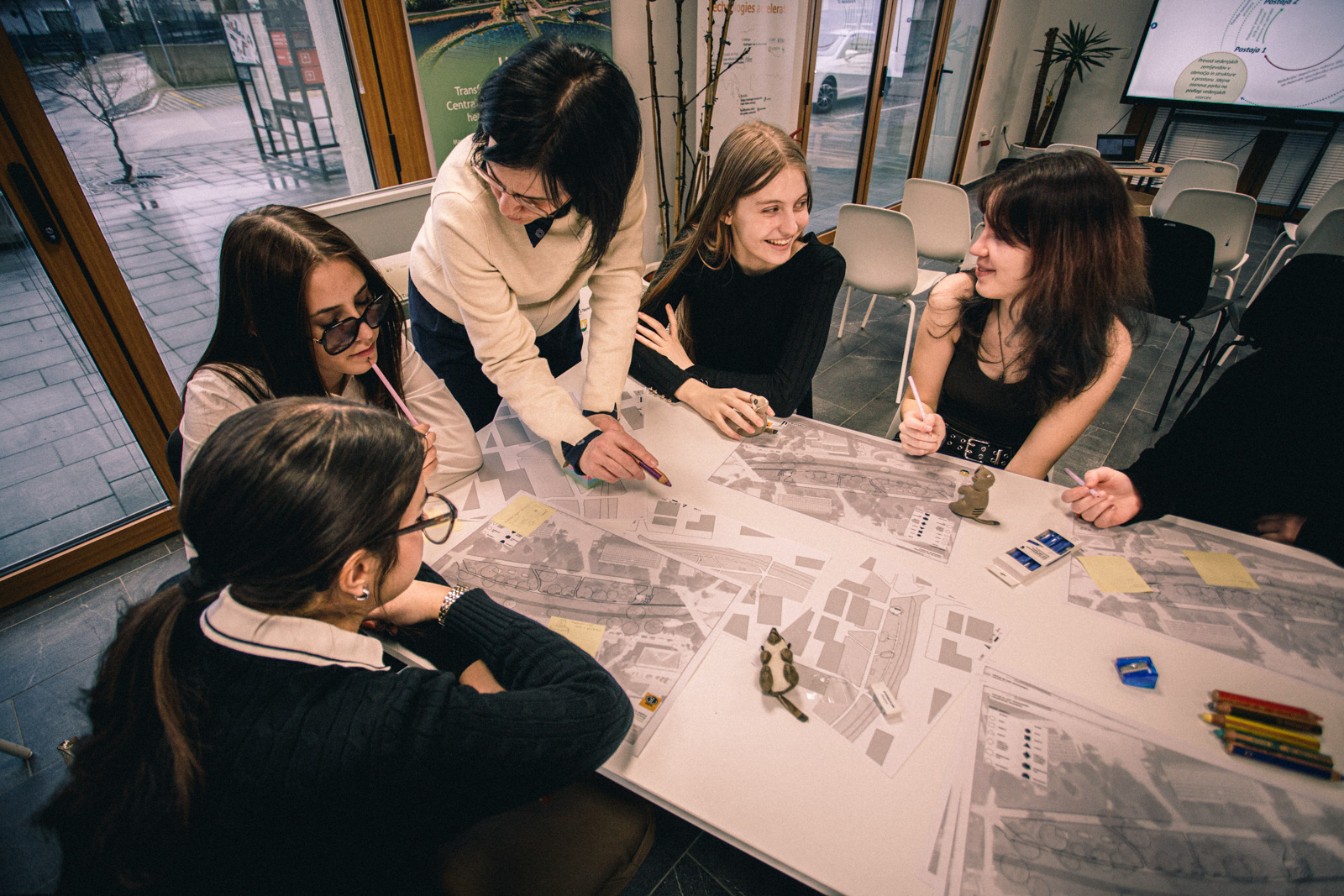
A second major achievement was the identification of governance conditions that support inclusive implementation of NbS. Through practical work in three urban living labs located in Slovenia, Sweden, and the Netherlands, the project demonstrated that meaningful participation requires inclusivity, trust building, adaptability, and continuous learning. The results also showed that different governance models offer different advantages, highlighting the value of combining formal institutional structures with flexible and community-driven approaches.
A third achievement was the development of new knowledge about how participation can be sustained over time. Naturo showed that lasting engagement depends on on-going "relational work" across different arenas: within municipal organizations, between municipal officers and civic actors, and among civic actors themselves. This relational work is supported by both relational arrangements, such as boundary-spanning roles, platforms, and stewardship agreements, and everyday relational practices of informality, care, and responsiveness. The findings demonstrate how participation can be sustained across NbS planning phases and beyond individual projects, shifting the focus from participation as a series of discrete events towards the ongoing relationships and practices through which engagement is maintained and evolves over time.

Through practical work in three urban living labs located in Slovenia, Sweden, and the Netherlands, the project demonstrated that meaningful participation requires inclusivity, trust building, adaptability, and continuous learning.

This project has been funded by The Swedish Research Council (Formas), The Dutch Research Council (NOW), and The Slovenian Research Agency (ARRS), under the Driving Urban Transitions Partnership, which has been co-funded by the European Commission. Project number: F-DUT-2022-0249