

Socio-Economic Impacts
The Naturo project generated practical and transferable knowledge that can support more inclusive and sustainable urban development across Europe. The results indicate that Nature-based Solutions (NbS) can contribute to stronger communities, improved well-being, and more effective public governance when citizens are actively involved in planning and management processes.
The project demonstrated how marginalized groups can be more effectively engaged in the development of NbS. This contributes to greater social inclusion and helps ensure that the benefits of NbS are shared more equitably across society. Naturo also showed how participatory approaches can strengthen local ownership and stewardship of green spaces. By involving communities in decision-making and management, municipalities can create more sustainable investments and enhance the long-term value and use of public green infrastructure.

Additional impacts include improved collaboration between municipal departments, increased institutional capacity, stronger relationships between citizens and public authorities, and greater co-operation among schools, civil society organizations, and local communities. Importantly, Naturo generated new knowledge on how these relationships and forms of participation can be sustained over time and carried across NbS planning phases and beyond individual projects. The findings highlight the importance of both relational arrangements and everyday relational practices within municipalities, between municipal officers and civic actors, and among civic actors themselves. This provides municipalities with a basis for moving beyond one-off participation towards more continuous engagement grounded in responsiveness, care, transparency, and accountability. The project further contributed to environmental awareness, learning, and stewardship through hands-on involvement in nature-based activities.
The findings also indicate positive benefits for health and well-being by supporting access to green spaces, outdoor activities, learning opportunities, recreation, and restorative environments. These outcomes contribute to broader societal goals related to quality of life, resilience, and sustainable urban development.
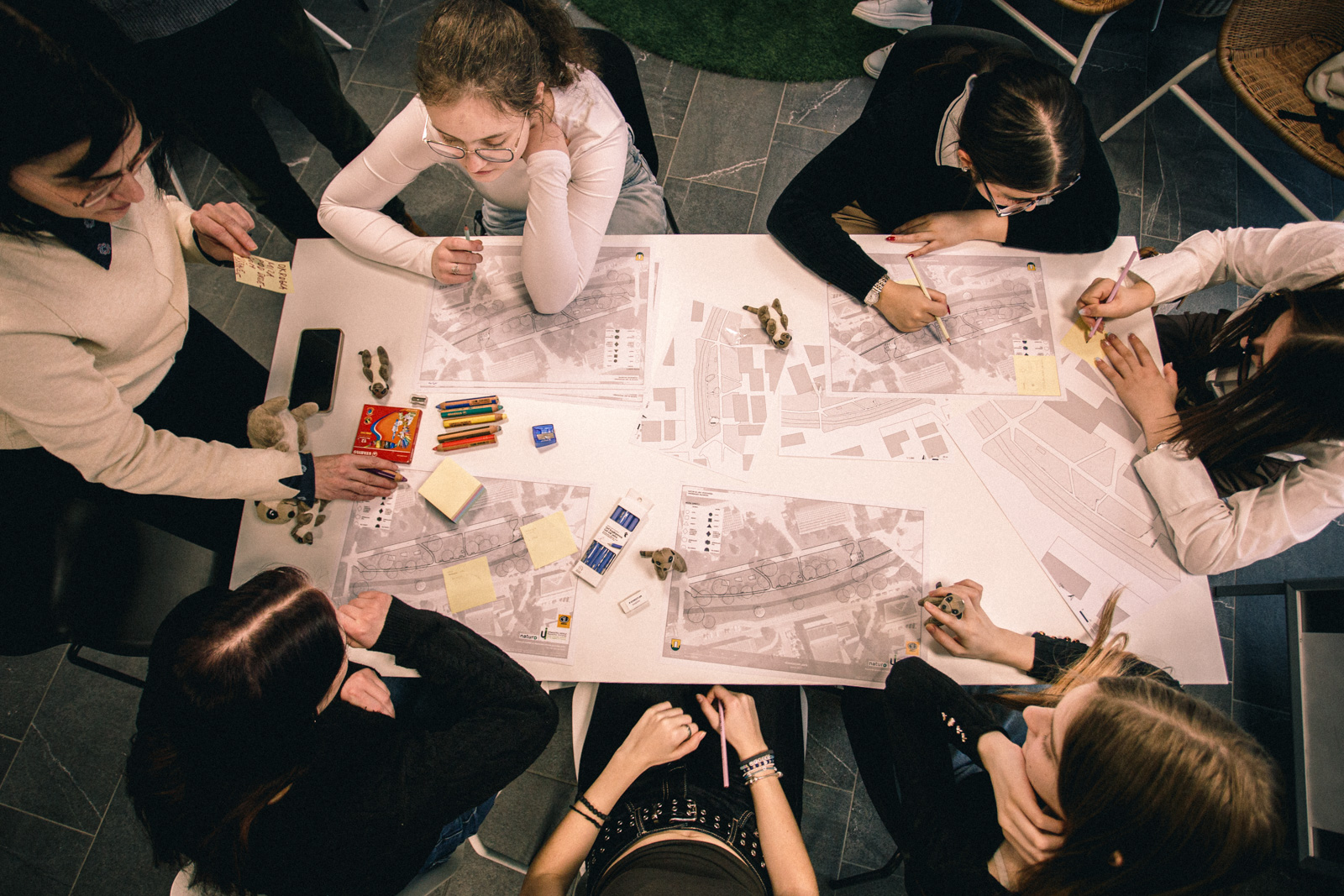
Through practical work in three urban living labs located in Slovenia, Sweden, and the Netherlands, the project demonstrated that meaningful participation requires inclusivity, trust building, adaptability, and continuous learning.

Policy relevance of the project
Naturo provides evidence and practical guidance for policymakers working on urban sustainability, climate adaptation, biodiversity, public health, and social inclusion. The project highlights that participation should be treated as a long-term governance function rather than as a short-term project activity. Sustainable outcomes require ongoing relationships, institutional support, and continuous engagement between municipalities and communities. The results show that effective governance of NbS requires a balance between formal procedures and more flexible, relationship-based approaches. Policies that support both structured participation and local community initiatives can strengthen trust, increase local ownership, and improve implementation outcomes.
The project further demonstrates that inclusive NbS require tailored approaches to reach groups that are often underrepresented in planning processes. Dedicated resources, appropriate engagement methods, and long-term commitment are needed to ensure equitable participation and access to benefits.
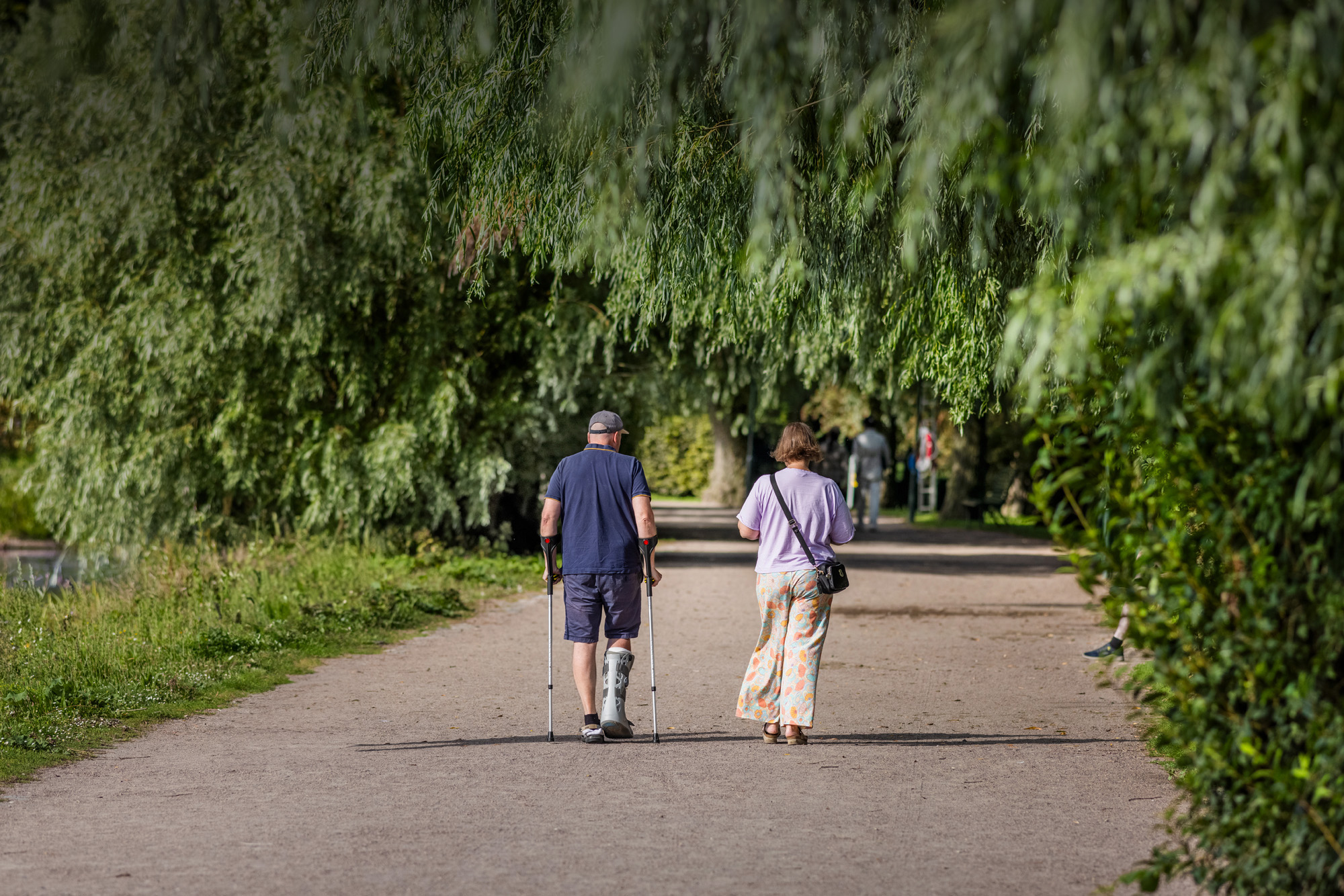
Finally, Naturo highlights the importance of integrating education, green infrastructure, and community development within urban policy. Public institutions and urban green spaces can serve as strategic platforms for environmental learning, biodiversity enhancement, climate adaptation, and social well being. The project also underlines the importance of strengthening municipal capacities for collaboration, learning, and cross-sector co-ordination as key conditions for the successful long-term implementation of NbS.
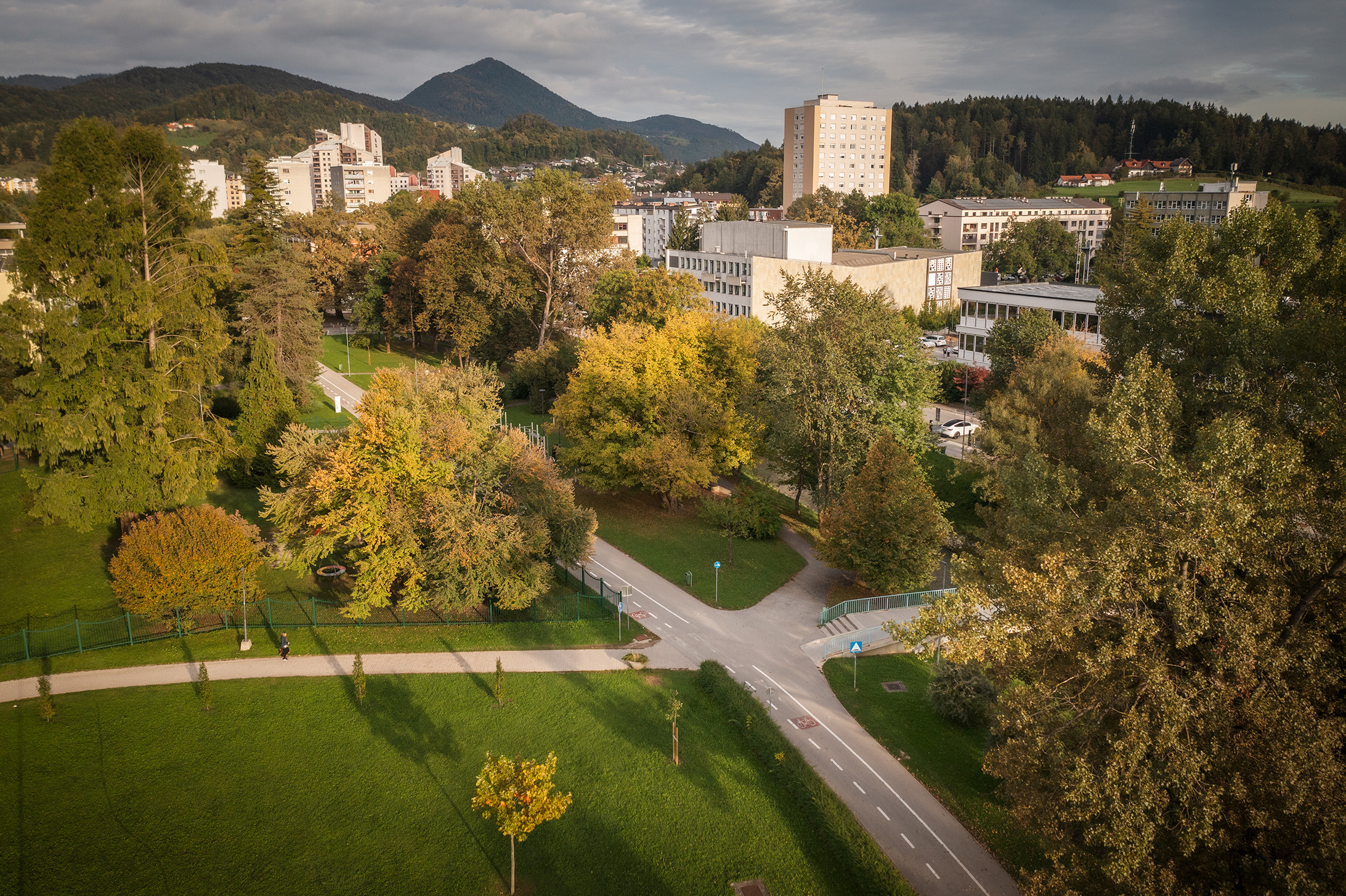

This project has been funded by The Swedish Research Council (Formas), The Dutch Research Council (NOW), and The Slovenian Research Agency (ARRS), under the Driving Urban Transitions Partnership, which has been co-funded by the European Commission. Project number: F-DUT-2022-0249